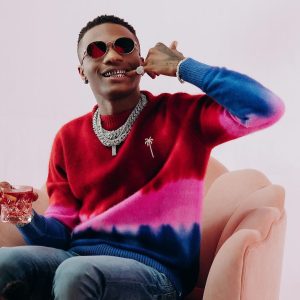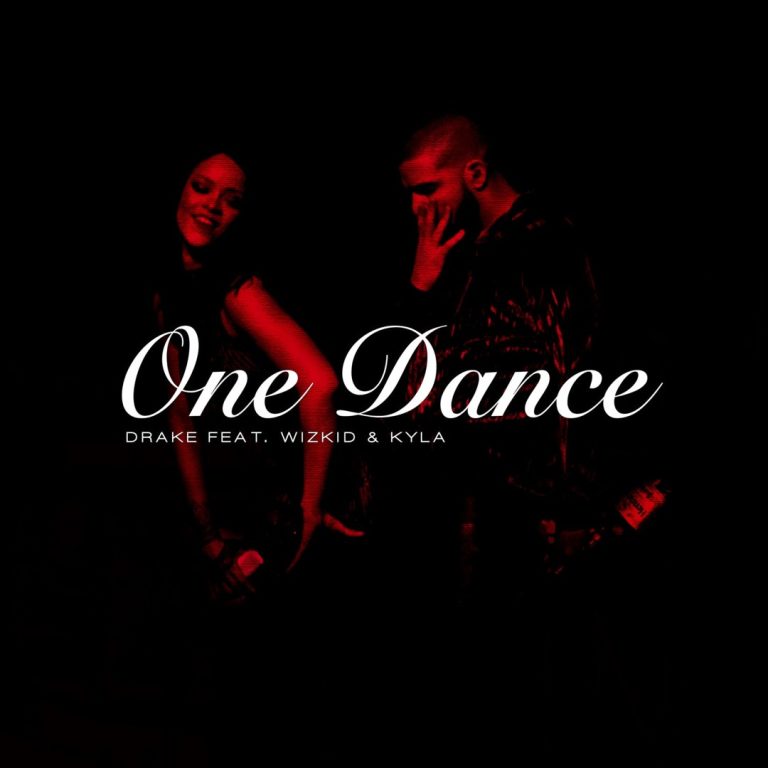
When “One Dance” was released in 2016, it quickly became more than just another pop song on the radio, it became a global anthem. Sung by the Canadian rapper and singer Drake, with contributions from Nigerian artist Wizkid and British singer Kyla, the song brought together sounds and cultures from around the world. It is one of those rare tracks that feels both new and familiar at the same time, making people everywhere want to move, dance, and sing along.
The song blends several musical styles. At its core, “One Dance” is a mixture of Afrobeats, dancehall, and pop. This mix is what gives it such a smooth, irresistible rhythm. The beat is soft and steady, not too fast, not too slow, and it feels like the kind of song you can play at a party, in the car, or even when relaxing at home. Wizkid’s influence brings that African rhythm and warmth, while Kyla’s soft vocals (sampled from her earlier song “Do You Mind?”) add a gentle, emotional touch. Drake’s voice, as always, is calm and confident, giving the song a steady center.

Lyrically, “One Dance” is simple and repetitive, and that’s part of its charm. Drake sings about needing “one dance” and holding someone close, capturing the feeling of a brief but powerful connection on the dance floor. The lyrics don’t try to tell a complicated story; instead, they focus on a mood, that mix of excitement, attraction, and rhythm you feel when music and emotion come together perfectly. It’s a song about movement, both physical and emotional, and that’s why it resonates with so many people.
The production of “One Dance” is smooth and polished, but not overdone. The instruments blend electronic beats with African-inspired percussion, creating a sound that feels both modern and organic. Producer Nineteen85, who often works with Drake, crafted a track that is minimal but catchy. Every element has space to breathe, and nothing feels forced. It’s the kind of song that doesn’t shout for attention, it simply draws you in.
One of the most interesting things about “One Dance” is how it helped bring Afrobeats and dancehall music into the global mainstream. Before this song, those genres were popular mainly in specific regions, dancehall in the Caribbean, Afrobeats in Africa and among the diaspora. Drake’s collaboration with Wizkid, one of Nigeria’s biggest artists, opened the door for many listeners to discover African music. After the song’s success, artists from across Africa and the Caribbean gained more recognition in the global music industry.
In terms of success, “One Dance” was huge. It became Drake’s first number-one single as a lead artist on the Billboard Hot 100 and stayed there for ten weeks. It also topped charts in many countries, including the United Kingdom, Canada, and Australia. On streaming platforms like Spotify, it has billions of plays, making it one of the most-streamed songs in history. That kind of success doesn’t happen by accident, it shows how deeply the song connected with listeners around the world.
Beyond its numbers, “One Dance” represents a turning point in pop culture. It showed that global sounds could blend effortlessly, that a Canadian rapper, a Nigerian singer, and a British vocalist could create something universal. It also reflected how music was changing in the digital age: streaming, collaborations across continents, and the breaking down of traditional genre barriers.
The song’s influence can still be felt today. Many artists now experiment with Afro-inspired rhythms, and collaborations between Western and African musicians are much more common. In many ways, “One Dance” helped open that door.
In conclusion, “One Dance” is a song that feels simple but carries great meaning. It’s a love song, a dance song, and a cultural bridge all at once. It invites listeners to move and to connect, across rhythms, across borders, and across feelings. Drake, Wizkid, and Kyla created something timeless, a song that still sounds fresh years after its release. Whether you’re a music expert or just someone who enjoys a good beat, “One Dance” is proof that great music doesn’t need to be complicated to touch hearts around the world.